Para los que siguen apasionadamente las historias de amor reales:


Acaban de entregar los premios de cine más importantes, por lo tanto es hora que recomendar un par de blogs muy interesantes de gente que desinteresadamente ofrece su trabajo para que tanto profesores como estudiantes independientes puedan unir dos aficiones: el cine y el aprendizaje de inglés.http://moviesegmentstoassessgrammargoals.blogspot.com/

http://warmupsfollowups.blogspot.com/
Por otro lado, este blog ofrece las escenas de películas como ideas en ejercícios de lluvia de ideas, calentamiento, seguimiento o cualquier ejercício que prepare a los alumnos para la actividad siguiente. Tiene las escenas, planificaciones de las clases y temas para estimular conversaciones. En general mucho trabajo ya hecho. (muchas gracias…)


Ultima hora
William Caxton instaló la primera imprenta de toda Inglaterra en Westminster, Londres, en 1476, y con ello comenzó no sólo una industria muy própera sino todo un afán social por la lectura. En España, sin ir más lejos, no nos ponemos de acuerdo ni siquiera en el lugar ni en la fecha de la creación de la primera imprenta: Valencia, Segovia o Sevilla se disputan ese honor y las fechas oscilan entre 1472 y 1475 aproximadamente.
A principios del siglo XVI aparecieron los primeros "papeles de noticias" en Gran Bretaña. Sin embargo tardaron mucho en consolidarse debido al analfabetismo mayoritario de la población, que dependía de los pregoneros para estar al día. El primer periódico inglés, el Requests of the Devonshyre and Cornyshe Rebelles apareció en 1549.
Ya ha llovido desde entonces y hoy día podemos recurrir a los diarios británicos en busca no sólo de noticias sino de inglés de buena calidad. Lo que os propongo hoy es esta página http://www.breakingnewsenglish.com/, que recoge ejercicios gratuitos de vocabulario, lectura, listening, gramática y destreza comunicativa oral siempre acerca de una noticia de actualidad. Se puede descargar todo en .doc, pdf y mp3 lo que nos ayuda a los profesores.
Breaking News
William Caxton introduced the first English printing press in
By the early 16th century, the first 'news papers' were seen in Britain. They were, however, slow to develop, with the largely illiterate population relying on town criers for news. The first known English newspaper, Requests of the Devonshyre and Cornyshe Rebelles, appeared in 1549.
A lot of water has flowed under the bridge since then and nowadays we can rely on british newspapers not only for information but also for samples of good English. What I propose you today is this site: http://www.breakingnewsenglish.com/, which offers free lessons including exercises on vocabulary, grammar, listening, speaking and reading always based on stories currently in the news. All lessons are also downloadable in Word and PDF formats and the listening files can be downloaded in mp3 format or subscribed to via a podcast., which is very nice for us teachers.
DECEMBER
Named by the Roman’s as the tenth month of the year before January and February were added, it kept its original name afterwards, although it might as well have been called something like “Doudecember” to keep it in line with the rest.
Hundreds and hundreds of customs from ancient times are maintained before, during or right alter Christmas. For example, the Burning of the Ashen Faggot originated in Dorset and
Somerset, is one of those still kept. The Faggot itself is a log of ash wrapped around w
ith smaller branches. It is but a perfect excuse to drink and get together on Christmas Eve. In a similar version, known as the Yule log, a small piece of the log is saved from the fire only to be burnt the following year with the new log, as a sense of continuity for the forthcoming year.
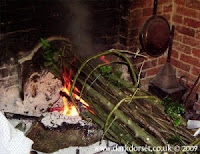
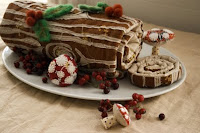
The custom persisted up until the last quarter of the 19th century. Its disappearance coincides with that of great hearths, w
hich were gradually replaced by cast-iron stoves. The great log was thus replaced by a smaller one, often embellished with candles and greenery, placed in the centre of the table as a Christmas decoration. Today, the Yule log has become a traditional pastry, a delicious cake roll, smothered in coffee or chocolat
e-flavoured icing and decorated with sugared holly leaves and roses.
One old belief I find particularly nice is that in the midnight of the Christmas Eve cattle would kneel in their stalls to honour the occasion in the fashion of traditional images of nativity scenes.
Boxing day: Dec 26th there are various theories as to the reason for this name. Apparently, it is due to the fact that servants used to be given their Christmas presents in the boxes their masters had used the day before for their own.
After the presents, the carols, the cards, the turkey and the Queen’s speech on Christmas Day, the year draws to
a close on December 31st, or New Year’s Eve or, as it is commonly known in Scotland, Northumberland, Cumberland, Yorkshire
and Westmoreland, Hogmanay. However it is called, everywhere family and friends gather at home or at parties to see the old year off. In the end is the beginning, in the old is the new and the New Year is about to begin, for the better, hopefully for the better.
MERRY CHRISTMAS AND HAPPY 2011!
DICIEMBRE

Llamado así por los romanos antes de que añadiesen los meses de enero y febrero, el décimo, mantuvo su nombre a pesar de qu
e podían haberle llamado algo así como “Duodiciembre” para seguir con la práctica de los anteriores.
Cientos y cientos de costumbres antíguas se celebran justo antes, durante o después de la Navidad. Por ejemplo, la Quema del Ashen Faggot se originó en Dorset y Somerset, al sur de Inglaterra, y es de las que aún se respetan. El Faggot es un haz de ramas atadas entre si que se queman en el hogar en estas fechas. La verdad es que es una excusa perfecta para juntarse a beber en Nochebuena. Algo parecido ocurría con el Yule log, un pequeño tronco que se apartaba del fuego para ser quemado en la celebración navideña del año siguiente, como un símbolo de continuidad en el año venidero.
La costumbre persistió hasta finales del siglo 19 y su desuso coincidió con el de las

grandes chimeneas caseras, reemplazadas por estufas metálicas. En los EE.UU., en un arranque de melancolía, una cadena de televisión emite durante la Nochebuena y el día de Navidad un video de una chimenea ardiendo. En otras partes, ante la ausencia de la chimenea, se convirtió en un objeto de decoración sobre el que poner velas como centro de mesa. Hoy día el Yule se ha convertido en un dulce tradicional, parecido a nuestros brazos de gitano, con sabor a café, chocolate y decoración de flores y hojas de azúcar.
Una creencia muy antígua, particularmente bonita, es que en la medianoche de la Nochebuena el ganado se arrodilla en sus establos al estilo de las imágenes tradicionales de las escenas navideñas.
El día 26 se celebra el Día de las Cajas. Existen varias teorías en cuanto al origen de este nombre. Al parecer se debe al hecho de que la servidumbre solía recibir sus regalos de Navidad en las cajas que sus señores habían utilizado el dia anterior para los suyos.
Tras los regalos, los villancicos, las felicitaciones, el pavo asado y el discurso real, el año acaba el 31 con la Nochevieja, llamada Hogmanay en Escocia, Northumberland, Cumberland, Yorkshire y Westmoreland. Se llame como se llame, en todas partes las familias y los amigos se reúnen a ver marchar el año viejo . El final es el principio, lo viejo es lo nuevo y el año va a comenzar para mejor, esperemos que para mejor.
¡FELIZ NAVIDAD Y PRÓSPERO AÑO 2011!
On-line English exercises
There are literally thousands of pages where you can find grammar and practice exercises. The links I've listed below are some of them. It may be difficult at first to find the concentration needed to do exercises on the computer. Keep trying, though, and perhaps start off with some grammar that you already know.

Before anything else, the Oxford Advanced Learner's Dictionary is very useful for reference while you're doing any exercises you find. As well as the usual benefits found in the hardback version, which I always recommend to have at hand, it offers theme worksheets and even crosswords on.
d back version, which I will always recommend to keep at hand, the site also provides vocabulary worksheets and crosswords on different subjects.Linksabout.com
This is one of the most comprehensive sites I've found. There are plenty of different grammar points available, which is really useful for those who start working on-line. Something interesting: Take a daily English course by subscribing to English Tip of the Day which provides a new English learning tip every day. Each day you will receive an important English learning tip with example sentences. The newsletter also provides links to a quiz of the day and a worksheet of the day to help you practice your English.
english@home
You'll need to enter this site from the home page, but then you get a great choice of topics and activities. Look at the box on the right and choose from grammar, speaking, vocabulary, etc. with the answers shown at the end of the test for self-correction.
EduFind
although perhaps this is rather dull, it is a very complete site where you'll find all the explanations you need. It also includes practice exercises.
Flo-Joe's FCE+Advanced Trainer
This site is aimed at all those doing the FCE and Advanced exams. The home page gives details of all the activities, suggestions and advice contained on the site. The content ranges from practice tests and advice on how to pass the Use of English, and every day from Monday to Friday they give you new words to learn instead of having to memorise long lists by heart.
The Grammar Aquarium There's loads of information here: the first page has a subject index with explanations, online exercises and exercises to print out. And it's free. Do not miss the section “Tricky words”, really useful!
Ejercicios de inglés on-line.
Existen, literalmente, miles de páginas en la red donde encontrar explicaciones y ejercicios de gramática inglesa. Los links que aparecen abajo son algunas de ellas. Al principio puede ser difícil concentrarse para hacer los ejercicios en el ordenador, pero hay que seguir intentándolo, quizá empezando por aquellos ejercicios de gramática que ya conozcamos para seguir con otros mas difíciles.
Para empezar, el Oxofrd Advanced Learner’s Dictionary es muy útil para consultar mientras hacemos ejercicios. Ofrece, ademas de lo que normalmente encontramos en la versión en papel, que siempre recomiendo tener al alcance, páginas de práctica e incluso crucigramas temáticos.
Links
About.com es uno de los más completos que he encontrado. Hay una gran cantidad de aspectos gramaticales disponibles y dividido en niveles, lo que para los principiantes en el trabajo on-line resulta muy útil. Una curiosidad: ofrece, mediante suscripción gratuita, el Tip of the Day, una curiosidad acerca de la lengua inglesa con ejemplos, además de un juego diario y ejercicios diarios para practicar inglés.
english@home Tras acceder desde la página principal se encuentra uno con una gran variedad de temas y actividades. Mirad a vuestra derecha y elegid gramática, vocabulario, vocabulario, etc. Al final de los diferentes tests aparecen las correcciones para autocorrección.
EduFind Aunque es quizá un poco sosa, esta página ofrece todas las explicaciones deseables con ejercicios prácticos.
Flo-Joe’s FCE+Advanced Trainer Esta página interesará a todos aquellos que se preparan el First Certificate o el Advanced. La página principal detalla todas las actividades, sugerencias y consejos. El contenido va desde prácticas hasta consejos para aprobar el Use of English, pasando por ejercicios diarios de lunes a viernes para practicar y aprender vocabulario sin tener que memorizar listas de vocabulario.
The Grammar Aquarium Aquí hay mucha, pero mucha información: La primera página tiene un índice con explicaciones y ejercicios tanto on-line como para imprimir. No os perdais la sección “Tricky words” muy útil para aquellas palabras problemáticas por su significado o su uso. ¡Ah! ¡Y todo es gratis!